Illustration of Man in Street Style for Modern Graphics
As a digital publisher who has spent years refining blog aesthetics and optimizing content for high engagement, I know that the difference between a casual hobby site and a professional media brand often comes down to one thing: visual communication. When I first encountered the Illustration of Man in Street Style, my immediate thought was not just about the art itself, but how it would function within a real-world editorial workflow. This is not merely a decorative element; it is a strategic graphic design asset capable of elevating your entire brand identity.
The first impression this asset makes is undeniably modern and lifestyle-focused. It carries an air of urban sophistication that instantly signals relevance to today's fast-paced internet audience. In the crowded landscape of content marketing, readers make split-second decisions based on visual cues. A generic stock photo might feel sterile, but this illustration introduces a playful yet polished energy that suggests creativity and approachability. It creates an editorial mood that feels current, making it perfect for niches like fashion, lifestyle, tech reviews, or creative entrepreneurship.
When integrating this into your publishing stack, the versatility is striking. Imagine preparing a series of featured images for your latest article on urban trends. Using this Illustration of Man in Street Style allows you to break away from the monotony of standard photography. It serves as a dynamic focal point that draws the eye without overwhelming the text. Whether you are designing a Pinterest pin or a hero image for your homepage, this asset provides the necessary visual hierarchy to guide the reader's attention exactly where you want it.
Elevating Editorial Design with Urban Vibes
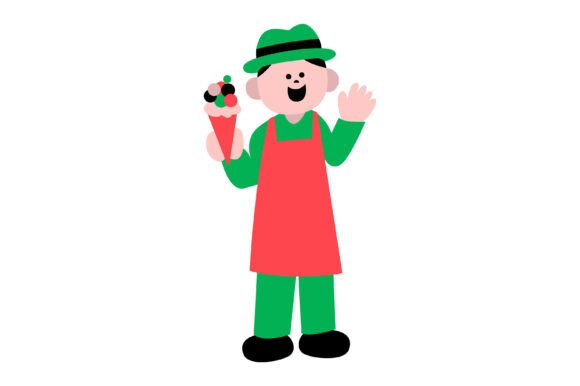
In the world of editorial design, consistency is key to building reader trust. If your website features a mix of hand-drawn sketches, flat icons, and realistic photos, the experience can feel disjointed. By adopting this specific illustration style across your blog graphics, you establish a cohesive visual language. The character depicted exudes confidence, which subtly reinforces the authority of your content. It tells your audience that you understand the culture they are engaging with.
This asset shines particularly well when used in newsletter headers. Email open rates depend heavily on the subject line, but the preview image sets the tone. A header featuring this street-style figure promises a fresh, engaging read inside. Similarly, for digital guides or downloadable worksheets, using this illustration on the cover page transforms a simple PDF into a premium digital product. It adds a layer of perceived value that encourages users to actually download and consume your lead magnet.
I have found that this type of creative design works exceptionally well for affiliate marketing pages. When reviewing products or sharing recommendations, a clean, stylized illustration can bridge the gap between a sales pitch and genuine advice. It softens the commercial intent while maintaining a sharp, professional look. For small business owners creating their own media kits, including this graphic demonstrates a high level of design literacy, making you more attractive to potential sponsors.
Strategic Placement for Maximum Impact
To get the most out of this asset, you must place it strategically within your layout. It is ideally suited for website headers and landing pages where you need to capture attention immediately. The bold lines and distinct character work well as a standalone hero image or paired with a compelling headline. On mobile devices, where screen real estate is limited, a strong illustration often communicates faster than a paragraph of text.
For social media strategies, this illustration is a powerhouse. You can adapt it into various social media graphics, from Instagram story backgrounds to LinkedIn banners. Its vector-like quality ensures it scales beautifully, meaning you can use it for a tiny thumbnail or a large poster without losing clarity. When creating Canva templates for your team, this asset serves as a versatile anchor that ties different campaign visuals together.
Furthermore, consider using this design for category thumbnails on your blog archive. Instead of using generic icons, a unique illustration helps visitors distinguish your sections at a glance. It improves navigation and enhances the overall user experience. If you are producing infographics, this character can act as a guide, pointing out data points or leading the viewer through a complex narrative. It turns static information into a visual journey.
Navigating Limitations and Technical Considerations
While this asset is incredibly powerful, every designer knows that context matters. There are scenarios where the Illustration of Man in Street Style might require careful handling. For instance, if you are writing for a highly corporate niche or a serious financial publication, the playful nature of the illustration could clash with the desired tone of voice. In such cases, it should be used sparingly or avoided entirely in favor of more formal imagery.
Technical execution is equally important. Before deploying this image across your site, you must test its performance on both desktop and mobile screens. Does it remain clear when shrunk down to a 150-pixel square for a search result snippet? Is the contrast sufficient against the background colors of your theme? A common mistake publishers make is placing dark illustrations over busy patterns, rendering the details invisible. Always ensure there is enough negative space around the figure to let it breathe.
Typography pairing is another critical factor. This modern design pairs naturally with sans-serif fonts for a clean, contemporary look, but it can also create an interesting juxtaposition with serif fonts to add a touch of editorial elegance. However, avoid pairing it with overly decorative script fonts that compete for attention. The goal is harmony, not chaos.
Optimizing for Performance and Licensing
As a publisher, I cannot stress enough the importance of web performance. Even the most beautiful design assets will hurt your SEO if they slow down your site. Ensure you compress the file properly before uploading. Use formats like WebP for modern browsers to reduce load times without sacrificing quality. A fast-loading page keeps readers engaged, whereas a sluggish one drives them away.
Finally, always verify your commercial license. If you plan to use this Illustration of Man in Street Style on monetized websites, in paid courses, or for affiliate marketing campaigns, you must have the proper permissions. Most creative marketplaces offer robust licensing options, but it is your responsibility to confirm that your intended use case is covered. This protects your business and ensures ethical use of the creator's work.
In conclusion, the Illustration of Man in Street Style is more than just a pretty picture; it is a tool for building a stronger brand identity. By integrating it thoughtfully into your web design and content strategy, you create a more immersive and trustworthy experience for your audience. Whether you are launching a new blog, refreshing an existing site, or creating a suite of digital downloads, this asset offers the polish and personality needed to stand out in a crowded digital marketplace.